
Sib Experimental Villa
Idea
Located in the semi-urban Absard district, 80 km from Tehran, the Sib Experimental Villa showcases a minimalist design that reinterprets the traditional Iranian central courtyard concept in a contemporary manner. The project aims to harmonize passive and active design strategies to optimize energy efficiency, material usage, water conservation, and land utilization while tailoring spaces to meet the client's preferences and needs.
Passive Design
The project prioritizes responding to local climate and site conditions to enhance occupants' comfort and well-being while minimizing energy consumption. By harnessing natural resources like sunlight and wind for heating, cooling, ventilation, and lighting, the villa reduces reliance on mechanical systems for heating and eliminates the need for mechanical cooling.
Challenge
The primary challenge faced was the unsustainable water supply practices in the area, where numerous villa buildings were depleting underground water excessively for various purposes, disrupting the local ecosystem. To address this, an eco-friendly water supply system was implemented, utilizing rainwater collection for agricultural needs. The villa features two Ab-anbars storing 3000 liters, offering a 20-minute weekly share for internal and external use. Additionally, the villa incorporates natural ventilation and cooling systems to reduce energy consumption, especially during the summer months.
Key Features of Passive Design
Key elements of passive design in the project include building location and orientation, layout optimization, window design for natural light, insulation, thermal mass utilization, shading strategies, and ventilation systems. These elements work synergistically to maintain comfortable temperatures and ensure good indoor air quality. Solar access is carefully balanced to provide warmth in colder months while preventing overheating in summer through strategic positioning, room layout, window treatments, and shading solutions. Insulation and thermal mass contribute to temperature stability, while ventilation enhances passive cooling and indoor air quality.
Site-Specific Considerations During Design
During the design phase, specific site considerations such as latitude, sun path analysis for shading, seasonal solar gain variations, insulation requirements, humidity levels, solar exposure, diurnal temperature fluctuations, micro-climate nuances, water availability, and rural water supply systems were meticulously integrated to optimize the villa's performance and sustainability.
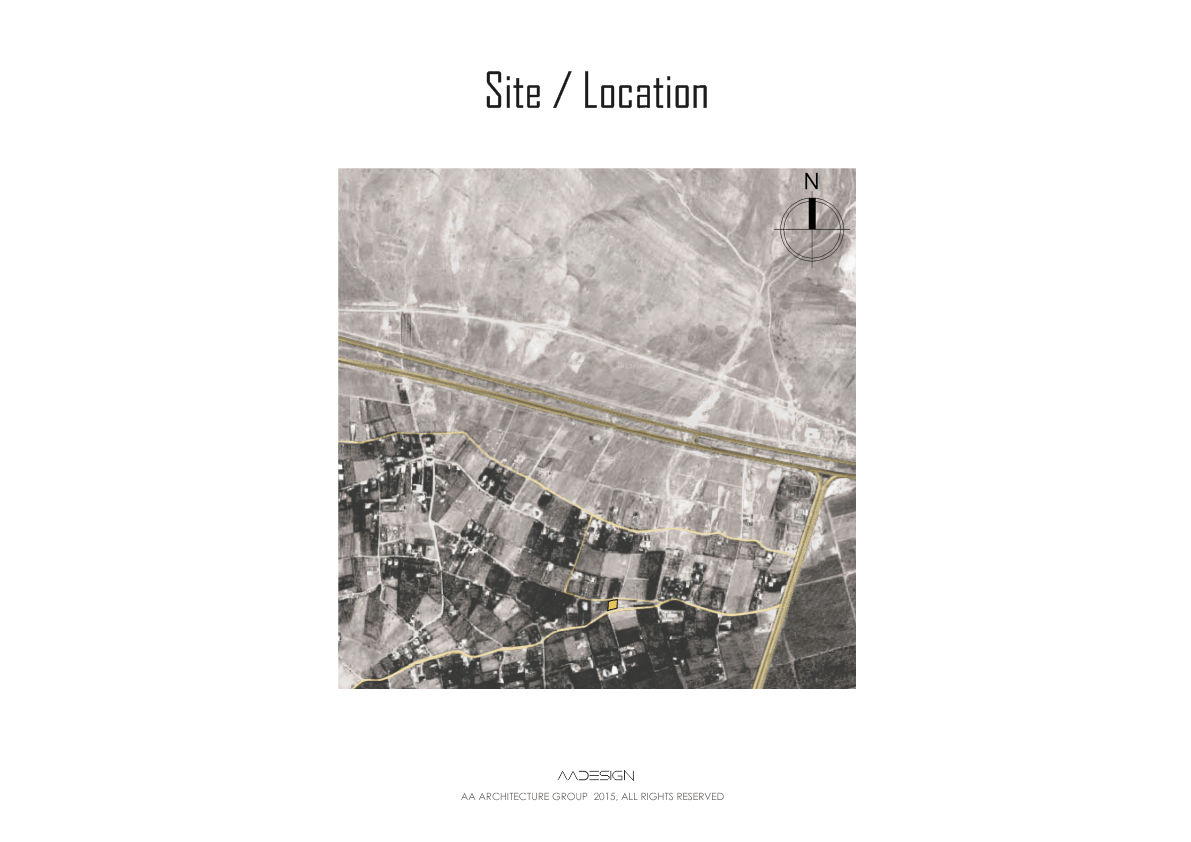
Site location

Water Supply Diagram

Structure System

+0.50 Level Plan

+4.00 Level Plan

South Elevation

West Elevation

Section A-A

Section B-B

Photo 1 by Parham Taghioff

Exterior photo by Parham Taghioff
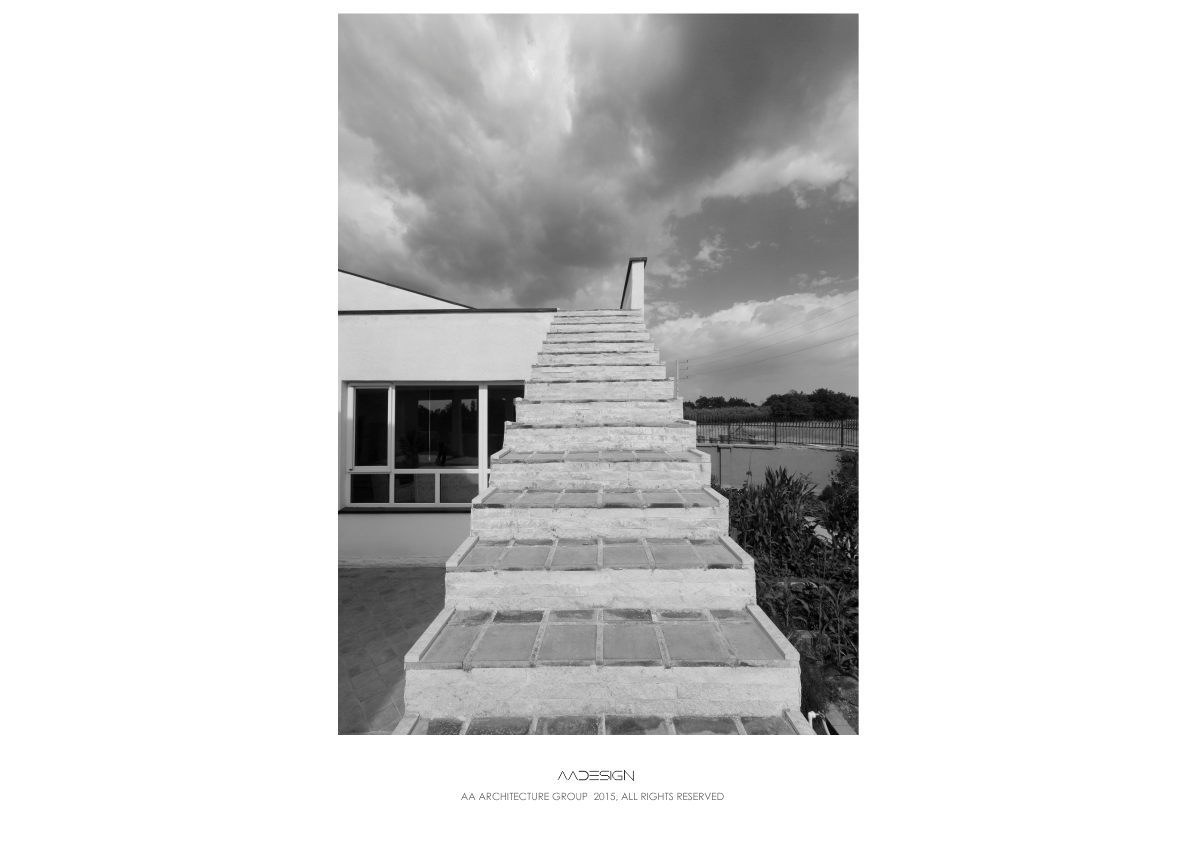
Exterior photo by Parham Taghioff

Interior photo by Parham Taghioff
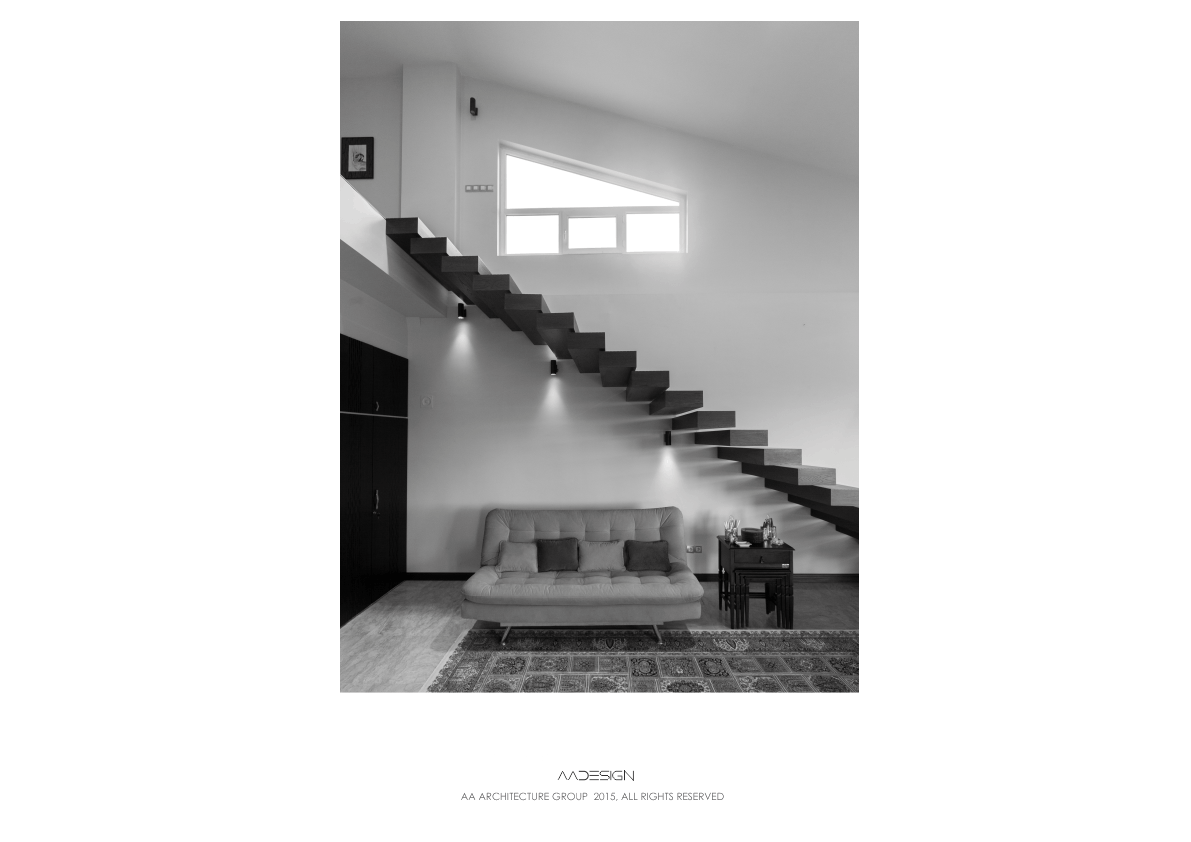
Interior photo by Parham Taghioff

Interior photo by Parham Taghioff
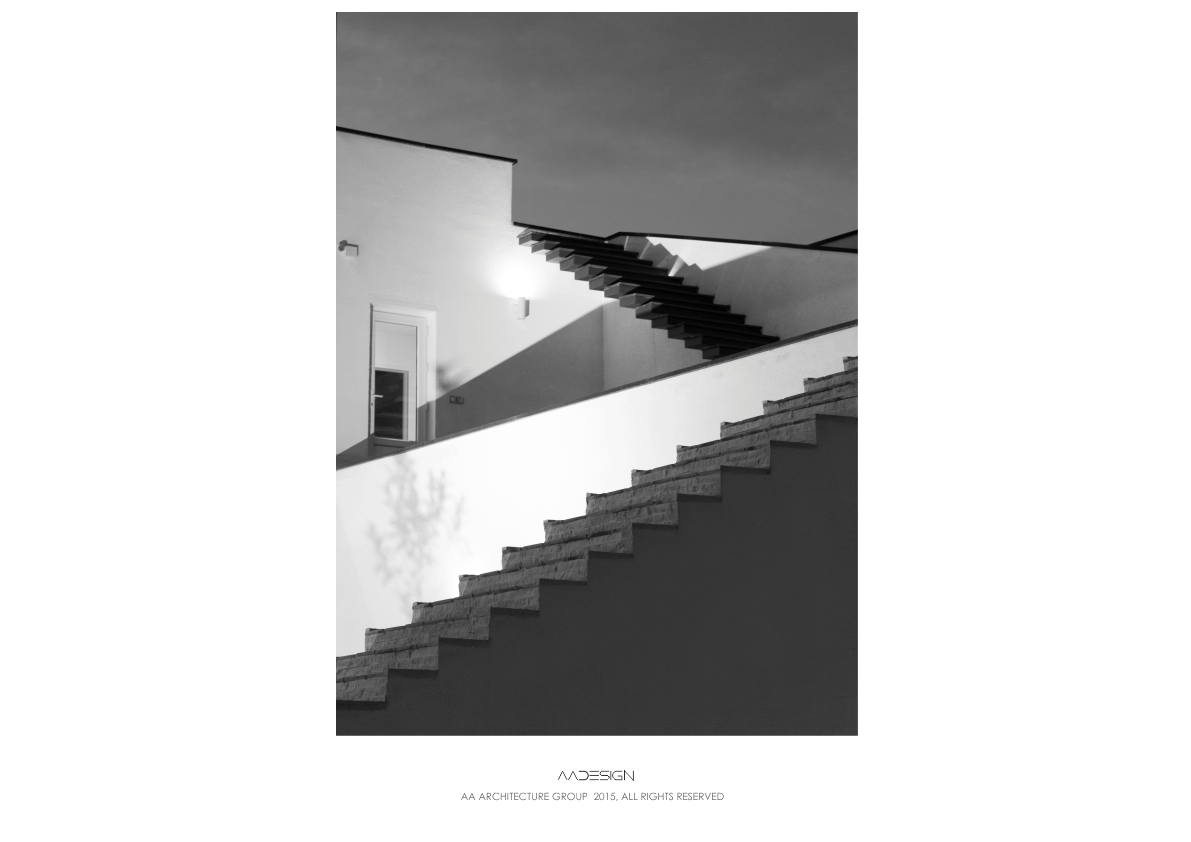
Exterior photo by Parham Taghioff

Exterior photo by Parham Taghioff
- Project Name: Experimental Villa Sib
- Client: AA Family
- Principal Architect: Amirabbas Aboutalebi
- Detail Architect: Farshad Ansari
- Design Team: Fatemeh Tajik, Yasaman Foorotan
- structure: Ehsan Darvish
- Electrical: Bakan Co.
- Mechanical: Ali Ranjbar
- Energy: Badrieh Dehghan
- Energy: Badrieh Dehghan
- Manufacturers: Local
- Photography: Parham Taghioff
- Site Area: 1160 Sq.m
- Built Area: 600 Sq.m
- Location: Absarad, Iran
- Status: Built
- Project Year: 2015