LEARN MORE ABOUT TAMISIAN PROTOTYPE
EXPERIMENTAL A FRAME CABIN
Location
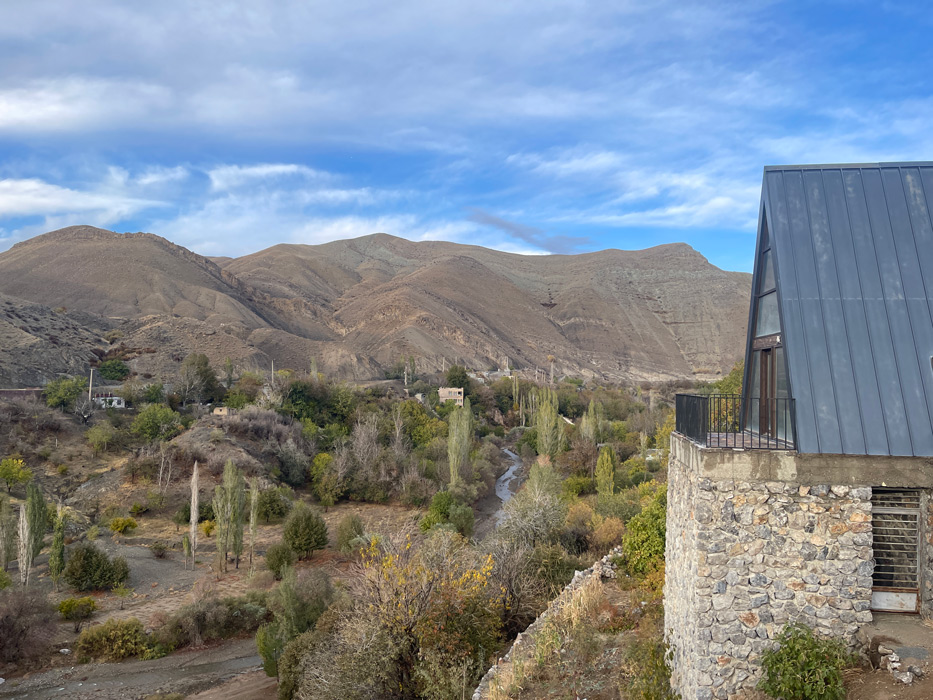
The Villa Farm prototype by AA Design Atelier is situated in Tamisian, within the Tehran province of Damavand country, Iran. Nestled at an elevation of 1580 meters, this project encompasses a site area of 350 sq.m overlooking the valley, positioned 90 meters above the main river that originates from Iran's highest peak, Mount Damavand, towering at 5760 meters.
Climate
Tamisian's climate is characterized by a humid continental climate, showcasing four distinct seasons with significant temperature variations. Summers are warm to hot, often humid, while winters are cold. This unique setting provides a diverse backdrop for the Villa Farm prototype, offering a blend of natural beauty and seasonal contrasts that inspire the design and functionality of this innovative project by AA Design Atelier.
Challenge
The challenge of the Villa Farm off-grid prototype lies in balancing the desire for a peaceful retreat from urban life while also preserving the agricultural landscape, especially in light of recent water problems in similar areas, alongside the environmental concerns associated with villa construction in Iran. This off-grid prototype aims to address this complex challenge by offering self-sufficient villas that not only minimize ecological impact but also prioritize the preservation of agricultural sites. By incorporating self-sufficiency, water management, renewable energy, smart eco plantation and care, and vernacular construction techniques, Villa Farm sets a new standard for eco-friendly villa living in Iran, emphasizing harmony with nature and the sustainable preservation of agricultural landscapes.
Key design principals of Villa Farm off-grid prototype
A - Minimum construction intervention to the site
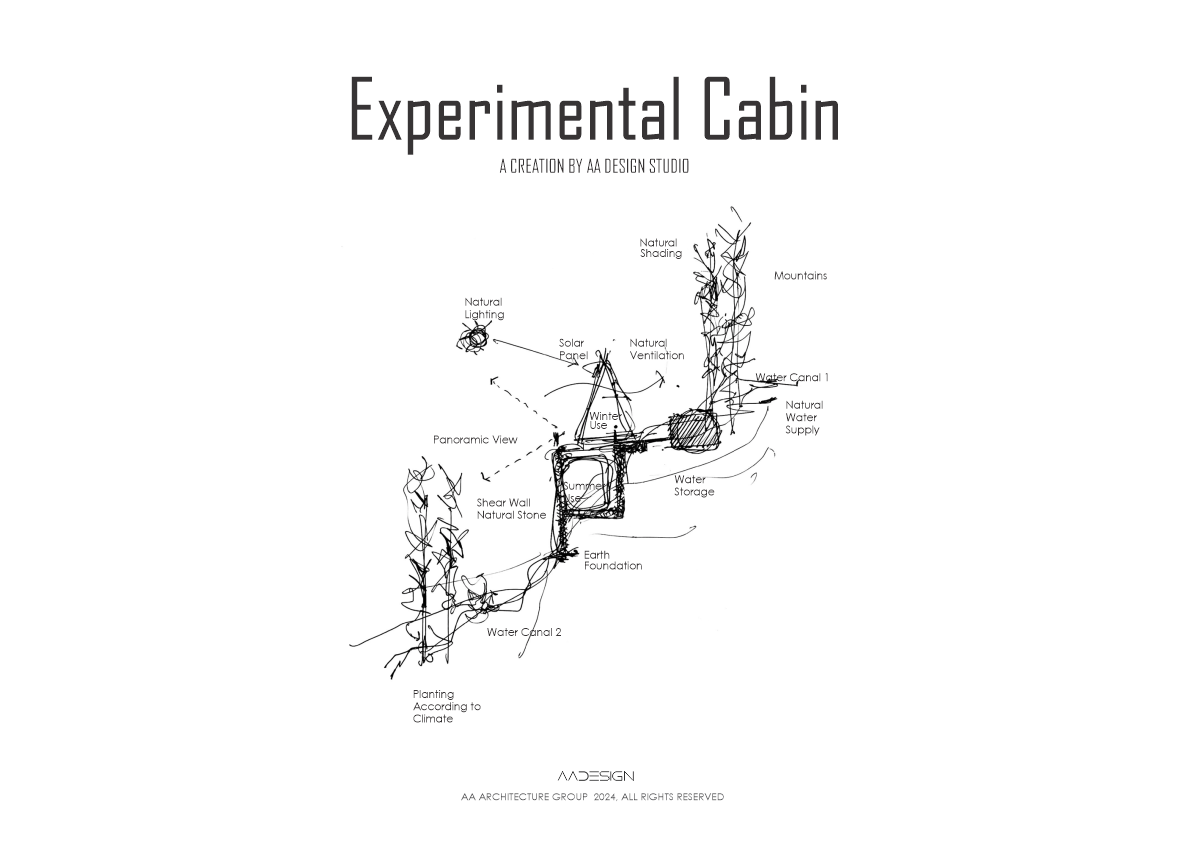
By utilizing only 10% of the site for building construction, incorporating natural foundation systems like rammed earth and natural stone shear walls, Villa Farm maximizes the remaining 90% of the site for landscaping and agricultural use, emphasizing the importance of preserving the natural environment.
B - Natural cooling during hot days
To naturally cool the space during hot days, a methodical approach was employed at Villa Farm. By excavating 10% of the site's soil to a depth of 5 meters within a 45-degree sloped earth, a subterranean space was created. This space is enveloped by natural local stones, which impart a cooling effect to the interior cubic space. While formal scientific measurements of this cooling effect are pending, anecdotal evidence from the architect suggests a noticeable temperature decrease of 10 to 15 degrees, enhancing the comfort and livability of the space during warmer periods.
C - Natural heating and saving energy during cold days
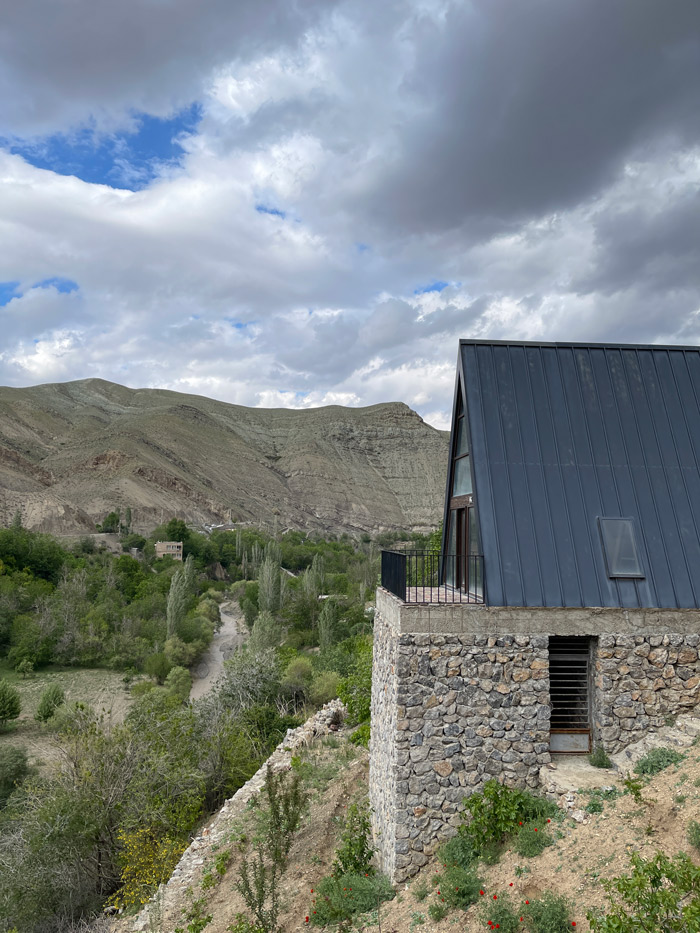
The A-frame cabin design at Villa Farm is strategically utilized to maintain moderate temperatures without the need for additional heating or cooling systems. During colder periods, the metal roof covering of the cabin efficiently absorbs solar heat during the day, retaining warmth throughout the night. Beneath the metal roof cover, a 50 mm insulated layer is incorporated to preserve heat. In instances of very low temperatures, a natural fireplace provides supplemental warmth to the compact space using firewood. The design of the A-frame cabin is meticulously crafted to optimize energy usage during winter and cold periods, aligning with principles of efficiency and sustainability.
D - Natural lighting
The summer cubic stone space is designed to allow indirect natural lighting, effectively managing sunlight to control heat. Additionally, the cabin features a clear double-layer glass facade facing north, with small glass frames in the attic and kitchen areas to introduce direct sunlight into the A-frame cabin during winter and moderate weather conditions.
Furthermore, after a thorough examination of solar panels, the decision was made to forego technological methods in favor of embracing ancient natural lighting solutions. Oil lamps are utilized to not only minimize environmental impact but also to cultivate a sense of unity and purity in the cabin lifestyle experience, aligning with the overall ethos of Villa Farm's design philosophy.
E – Natural Ventilation
Both the cubic summer space and the A-frame winter space are designed to facilitate natural ventilation. Controlled openings at the north and south fronts of the spaces allow for airflow regulation, ensuring a comfortable and well-ventilated environment.
F - Vernacular Construction Techniques:
The summer space at Villa Farm is ingeniously constructed using natural local stones sourced from the surrounding mountains. These stones not only cover the underground summer space but also bear the loads of the cabin, functioning as a structural shear wall. The walls vary in thickness, ranging from 1.60 meters at the base to 1.20 meters at the top where they meet the concrete ring beam. Positioned on compressed natural clay filling, these walls eschew concrete steps in the foundation. This vernacular construction system draws inspiration from the tacit knowledge of local builders with a rich history spanning 300 years in a village of 107 inhabitants, enduring challenges like mudflows, overflows, and earthquakes.
The A-frame cabin structure is meticulously crafted from natural handmade wooden components. Calculated, tested, and verified through a pre-engineering system, these wooden elements are significantly lighter compared to traditional masonry structures. This approach not only ensures structural stability but also aligns with the sustainable ethos of Villa Farm, showcasing a blend of traditional craftsmanship and modern engineering principles.
G - Water Supply
There is a local irrigation system that gather rainwater from hills and tall mountain Damavand 5761 meter into parallel canals on the hills of Tamisian. It is a traditional water harvesting system, practiced in the valley for more than 350 years, involves impounding runoff water in ponds at higher elevations and using gravity-based irrigation to connect these ponds to fields at lower elevations. This system is communal, shared among families, and integrates horticulture, agriculture, and animal husbandry. Additionally, in some areas, self-governed irrigation schemes manage and govern common-pool water resources by collecting rainwater from steep mountains and using it for irrigation through canal systems.
The prototype collects 1500 liters of water per week, in accordance with the site's water share, utilizing a traditional Ab-anbar storage system. This system fills a small tank positioned 4 meters above the cabin, enabling a gravity flow mechanism to transport water from the source to the service area located at a lower elevation. The remaining water is allocated for agricultural and gardening purposes, emphasizing the efficient utilization of available resources.
The overarching goal is to minimize water wastage, optimize usage, and foster responsible water management practices, aligning with the project's commitment to environmental stewardship and resource conservation.
Overall, rainwater harvesting is a simple and effective way to collect, store, and utilize rainwater for non-potable uses, and can help to reduce demand on mains water supplies, protect water quality, and reduce the risk of flooding and erosion.
H – Gardening and plantation
In response to the water scarcity resulting from extensive water extraction by the 50 villa buildings in the agricultural sites, Villa Farm has initiated a strategic gardening and plantation program. Leveraging the knowledge of local gardeners, Villa Farm has carefully curated a diverse selection of fruit-bearing trees to enhance the landscape. This includes the intentional planting of 150 fig and pomegranate scions, specifically chosen for their resilience and suitability to the local climate. In addition to these selections, symbolic trees such as pine, cedar, and a variety of fruit trees including walnut, apple, sour cherry, raspberry, and apricot have been thoughtfully integrated into the terrain. These symbolic plantings not only serve as poignant reminders of the region's agricultural heritage but also play a vital role in fostering biodiversity and enriching the ecological tapestry of the area.
J - Dialogue with Nature
Villa Farm goes beyond sustainability by prioritizing a meaningful connection with nature. The design focuses on offering panoramic views, integrating green spaces, and promoting outdoor activities to enhance residents' interaction with the natural environment.
LINK TO MORE ABOUT THIS PROJECT ...
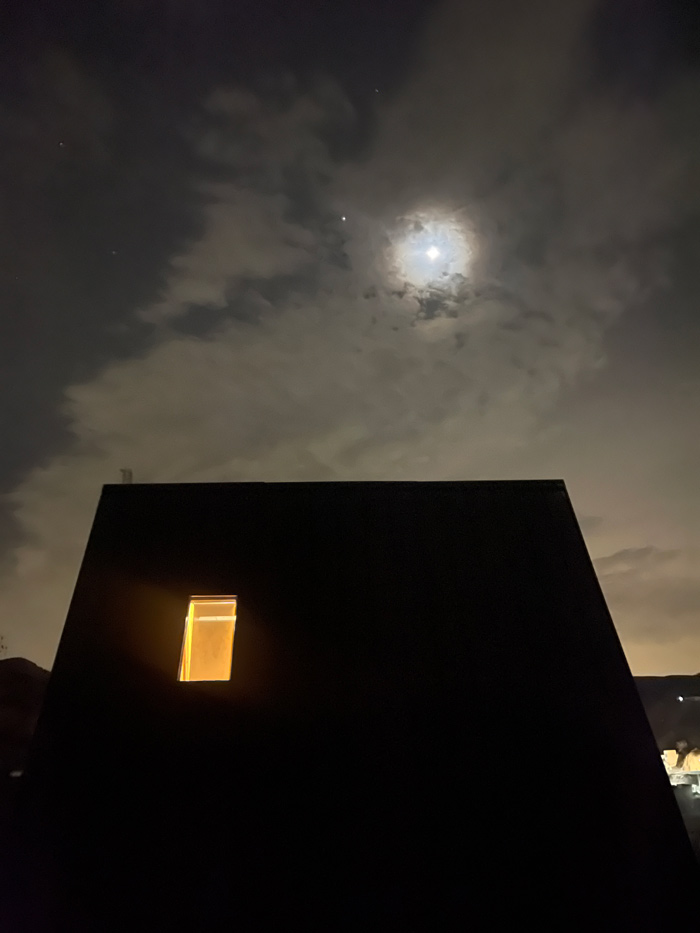
West Elevation - Summer Night
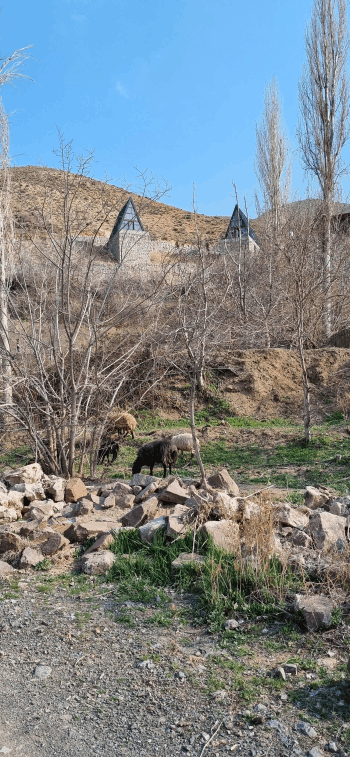
Human Need to Retreat from City Life
The project was born out of a theoretical research program conducted by AA Design Atelier at the Sheikh Bahaei Research Institute, with support from Mazandaran University and UNESCO's United Nations National Commission in Iran. The aim of the research program was to address the conflict between the environmental hazards posed by villas in Iran and the human need for retreat and escape from city life.
The Tamisian off-grid prototype is a farm-villa that seamlessly integrates into its natural surroundings. By utilizing passive energy systems and rainwater harvesting, the villa minimizes its ecological footprint. The design also incorporates traditional architectural elements inspired by vernacular architecture, creating a harmonious blend of modernity and tradition.
One of the key objectives of this project is to improve people's psychological well-being. The off-grid villa provides a serene sanctuary where individuals can reconnect with nature and find solace away from the hustle and bustle of urban life. By immersing themselves in natural elements, residents can experience a sense of tranquility that positively impacts their mental health.
Spring